
A cellar is not a hospital for unfinished wine. Bottle age can transform a balanced wine, but it cannot install missing fruit, repair poor storage, or guarantee that tomorrow’s bottle will be better than today’s.
The most useful way to think about ageing is not “improvement.” It is change. The question becomes whether you enjoy the direction of that change — and whether the wine has enough structure to travel there.
Fruit moves from fresh to developed
Young wines often lead with primary fruit and floral aromas: fresh berries, citrus, apple, or blossom. With time, those impressions may shift toward dried fruit, nuts, honey, tobacco, leather, forest floor, or mushroom. These are broad sensory families, not a fixed timetable.
Bottle age does not add literal leather or dried cherries. Existing compounds react, rearrange, combine, and become more or less perceptible as the wine develops. Some bright fruit recedes while tertiary aromas emerge. If you love vivid primary fruit, the younger stage may be the one you prefer.
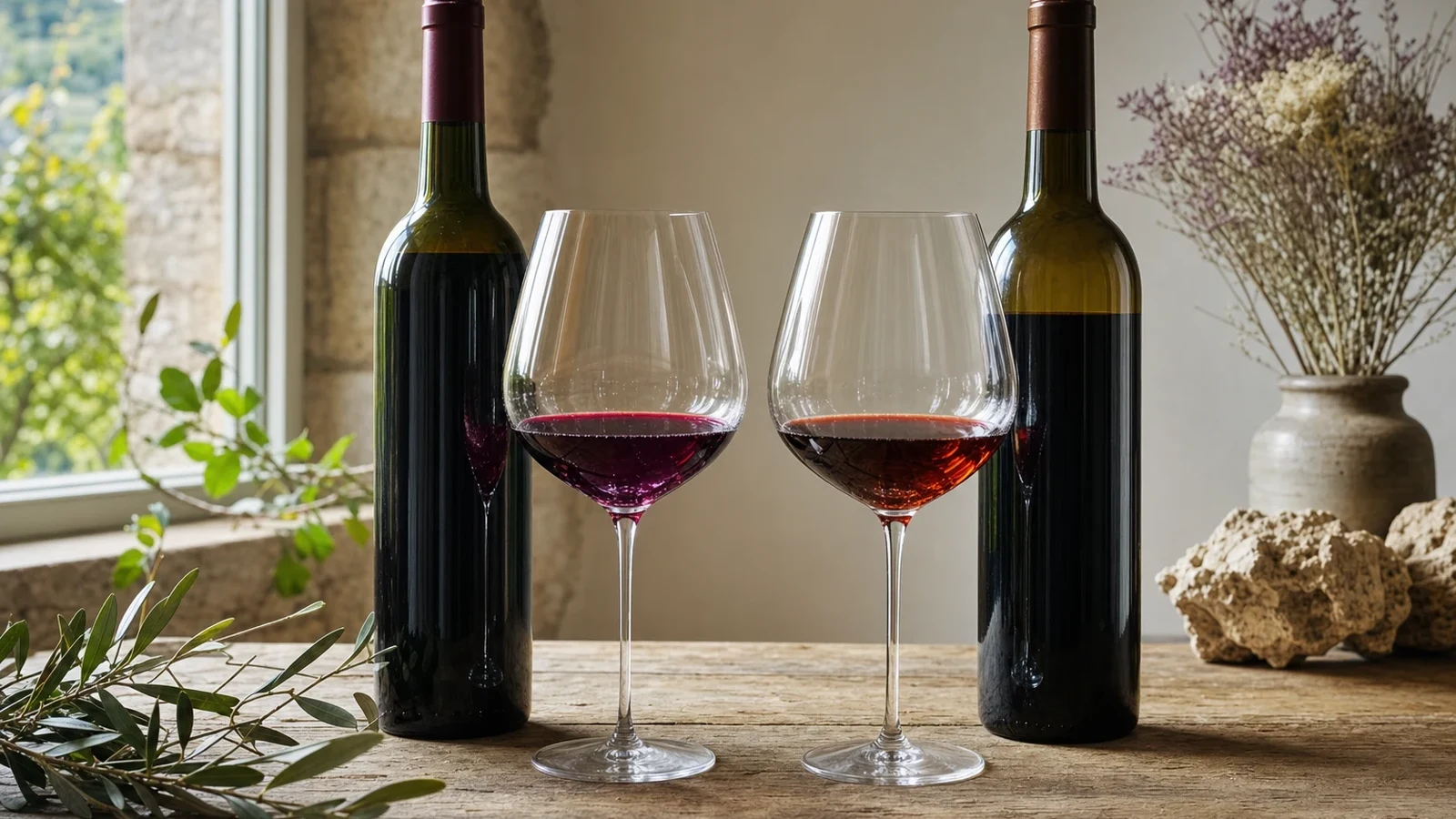
Structure decides whether time is useful
Acidity, tannin, alcohol, sweetness, concentration, and balance all influence ageing potential. Acid can preserve freshness; tannin and colour compounds evolve together; sugar can support long-lived sweet wines. None works alone.
A very tannic wine is not automatically age-worthy, just as a light-coloured wine is not automatically fragile. The components need proportion and enough flavour to remain interesting as the loudest youthful notes fade.
This is why a drinking window is more useful than a trophy date. Open the Vintage Explorer and read the window as an informed range, not an appointment that every bottle must keep.
Texture and colour evolve too
Red wine often becomes paler and more garnet or brick-toned at the rim. White wine may deepen from pale lemon toward gold and amber. Tannins can feel less aggressive as reactions alter the wine’s phenolic structure; some pigment and tannin material eventually forms sediment.
Sediment in an older red is therefore not automatically a fault. Stand the bottle upright before serving and decant carefully if needed. The goal is to separate clear wine from deposit, not to expose a fragile old wine to hours of air.
Oxygen is necessary — and dangerous
Even a sealed bottle is not a world without oxygen. Oxygen present at bottling and tiny amounts associated with the closure influence development. Too much accelerates browning, fruit loss, and oxidative aromas; too little is not a universal guarantee of freshness either.
Closure, fill level, bottling quality, and storage all shape the outcome. Two bottles from the same case can diverge because their seals or histories differ. Bottle variation is real.
Storage writes the hidden vintage
Heat speeds chemical reactions and can damage wine. Repeated temperature swings, strong light, vibration, and a failing closure add risk. A cool, dark, stable place is more valuable than a romantic dusty room.
If a bottle has spent years above a kitchen cabinet, its label age tells only half the story. Provenance — where and how it was stored — matters especially when buying older wine.
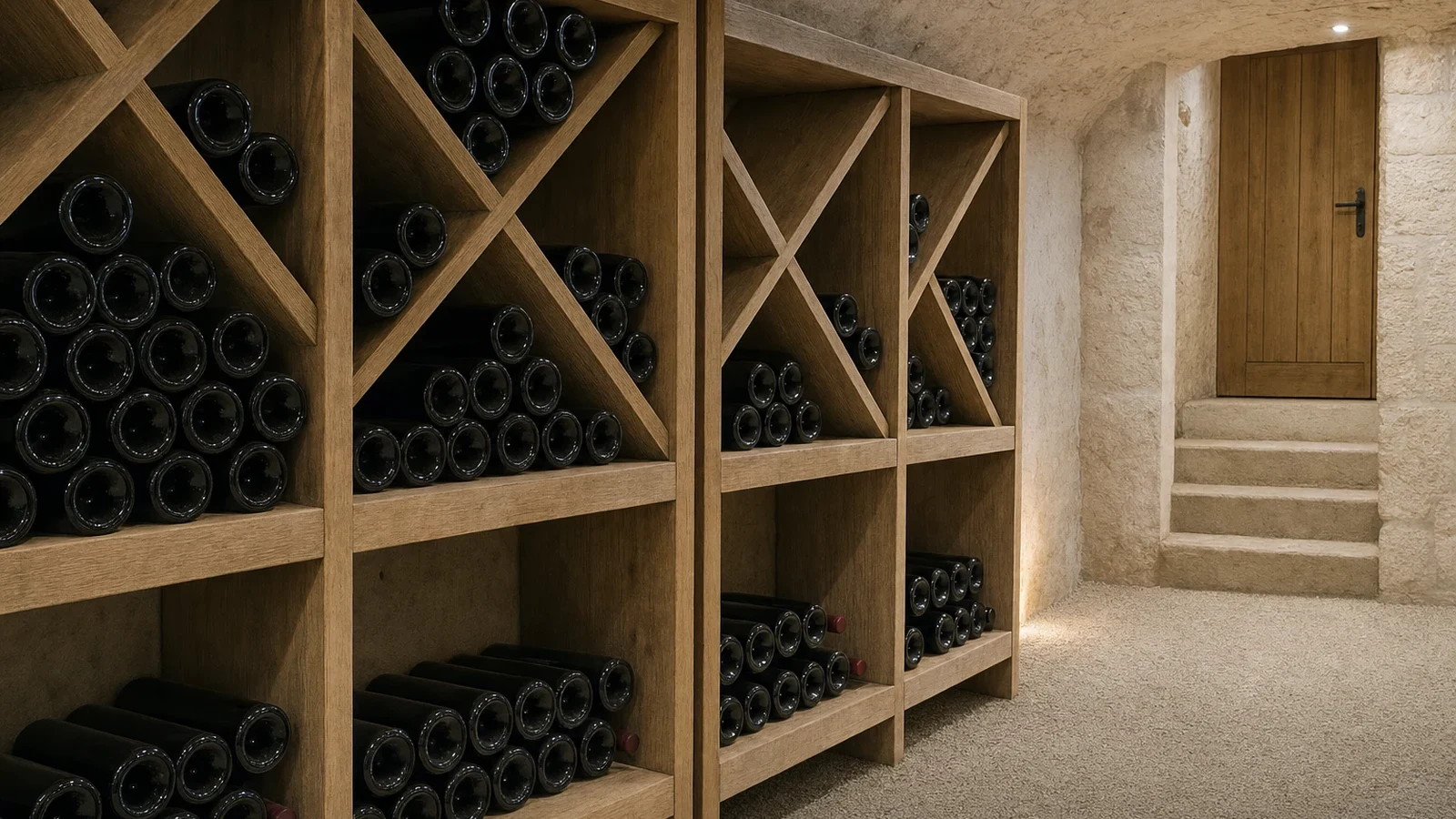
Decide what you want to taste
Ageing is a style choice for the drinker as much as a technical possibility. Try the same wine from two vintages, or buy several bottles and open one every year. Record:
- Fruit: fresh, cooked, dried, or fading?
- Savoury development: beginning, integrated, or dominant?
- Structure: firm, resolved, or tired?
- Finish: still energetic or becoming short?
There is no prize for waiting until the fruit disappears. The best moment is where the wine’s development meets your preference.
What age cannot fix
Time cannot reverse heat damage, remove a serious fault, create acidity, or give a thin wine more substance. It may soften roughness, but roughness and balance are not the same. “Needs age” should describe a promising wine whose components need integration — not excuse one that is simply unpleasant.
A bottle does not climb a ladder from young to old. It travels through different expressions. Cellar it when the journey looks compelling, and open it when you want to meet the wine along the way.