
A blend is sometimes treated as a wine with something to hide. In reality, blending is one of the oldest and most deliberate design tools in the cellar. It can balance acidity and tannin, combine sites, unite grape varieties, or keep a house style recognisable from year to year.
The important question is not whether a wine is blended. It is what was combined, when, and for what purpose?
A blend can mean several things
Most people first imagine different grape varieties: Cabernet Sauvignon with Merlot, Grenache with Syrah, or a field full of white grapes harvested together. But winemakers can also blend parcels, press fractions, fermentation vessels, picking dates, or vintages.
Even a varietal wine may contain many lots of the same grape. A Chardonnay assembled from several blocks and barrels is still a blend in the practical cellar sense, though the label foregrounds one variety.
Components have jobs, not fixed personalities
One lot may bring acidity, another perfume, another colour, body, tannin, or length. The cellar team tastes how the components behave together. Sometimes one plus one simply balances; sometimes the combination reveals aromas or texture that neither component showed alone.
Avoid turning grapes into rigid ingredients — “Merlot equals softness” or “Syrah equals spice.” Variety matters, but place, ripeness, extraction, and season change the role. A winemaker works with the actual lots in front of them, not a recipe card.
Field blend, co-fermentation, and assemblage differ
In a field blend, different varieties grow together and may be harvested together. Their proportions are partly written into the vineyard. Co-fermentation means components ferment together, allowing extraction and aroma development to interact from the start.
Post-fermentation blending keeps lots separate first, then combines them after each has developed. That gives the team more control over proportion and selection. Champagne adds another dimension by blending crus, grape varieties, and often reserve wines from earlier years to create balance and a consistent signature.
These are not interchangeable terms. Timing changes the kind of control — and the kind of integration — available.
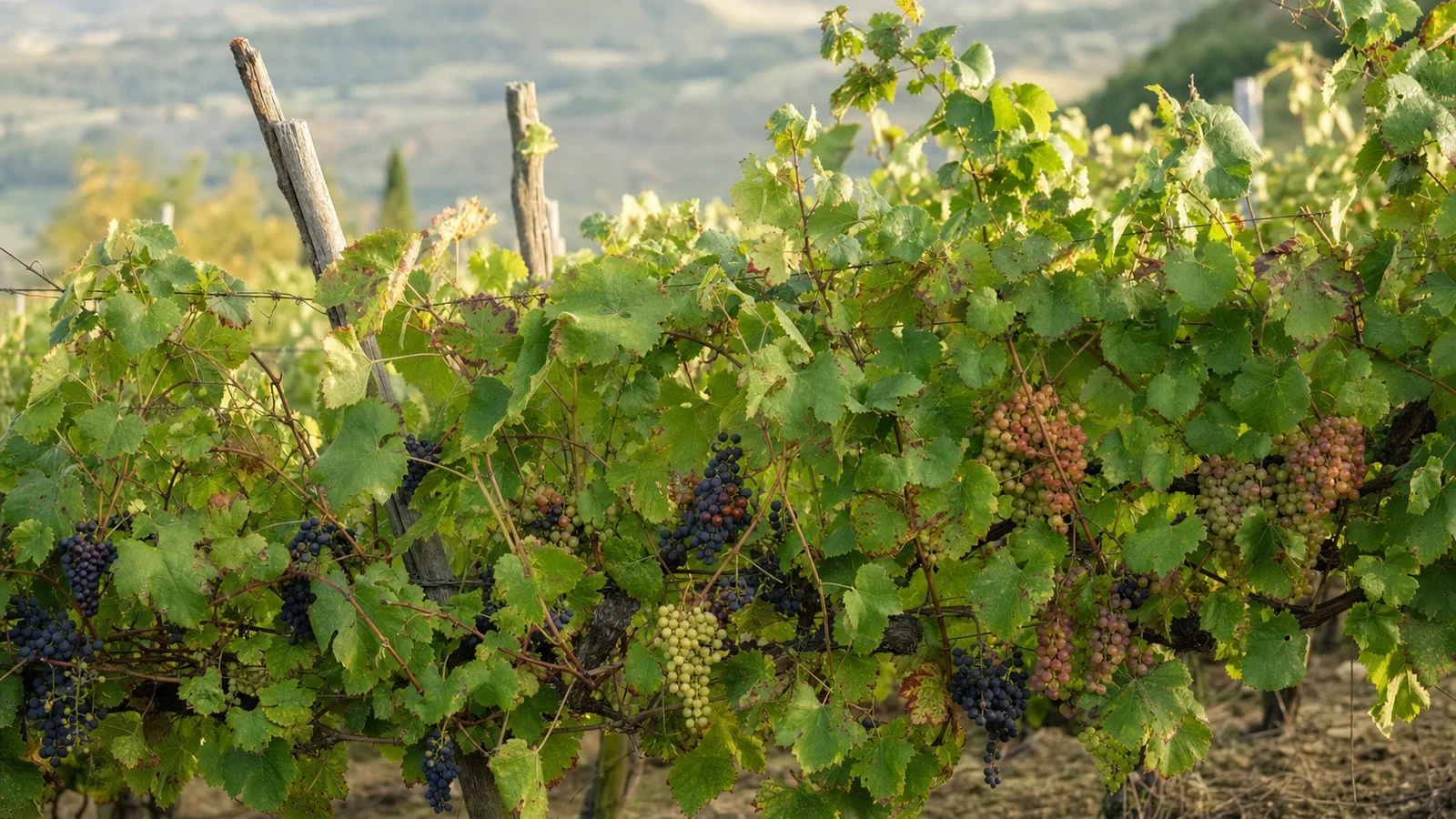
Blending can express place
Combining sites does not automatically erase origin. A regional blend can show the shared climate and tradition of a broader place, while a single-vineyard wine focuses the lens. Neither scale is inherently more honest.
The useful distinction is transparency. Does the label and producer information tell you what the wine claims to represent? A blend becomes misleading when origin or contents are misrepresented, not merely because more than one component entered the tank.
The trial happens in small glasses
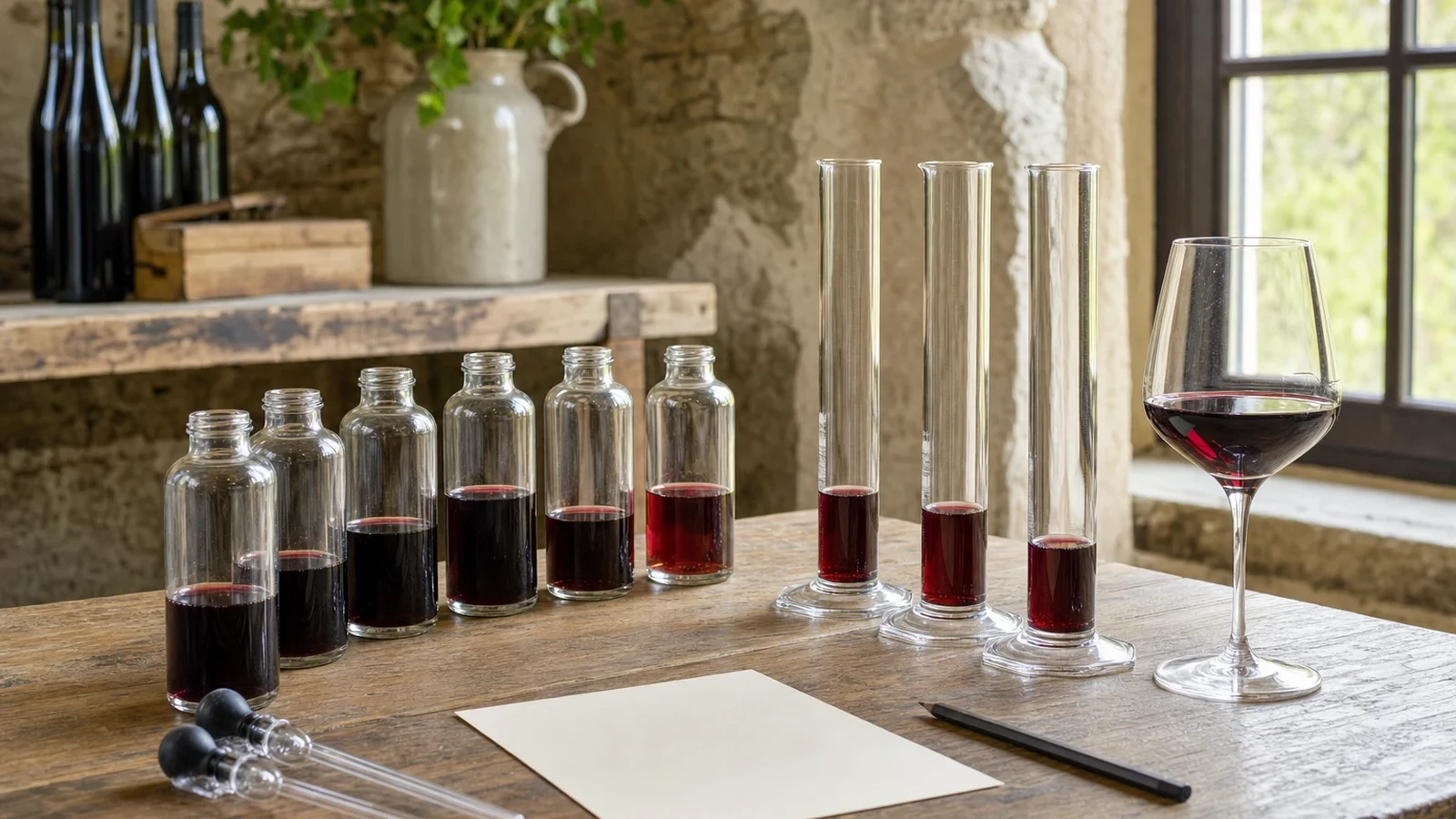
Before a final blend, cellar teams often make measured trials. They taste components, combine small proportions, record the result, then return after the wine has had time to settle. The winning trial is not always the loudest. It is the one that best serves the intended shape of the wine.
You can recreate the logic safely at home with two open wines of similar style. Pour 90/10, 70/30, and 50/50 trials into small glasses. Compare aroma, attack, middle, finish, and balance. You are not trying to improve expensive bottles; use simple wines and learn how proportion changes perception.
Read a blend as a complete wine
When tasting, begin with the finished structure before chasing components:
- Is acidity in balance with body and alcohol?
- Does tannin support the fruit or interrupt it?
- Does one aroma dominate, or does the wine unfold in layers?
- Is the finish coherent?
Only then ask which grapes, sites, years, or cellar lots may explain the shape. A blend deserves the same courtesy as a solo performance: listen to the whole piece before isolating each instrument.
Blending is not the opposite of authenticity. At its best, it is the discipline of choosing what belongs together — and leaving out what does not.